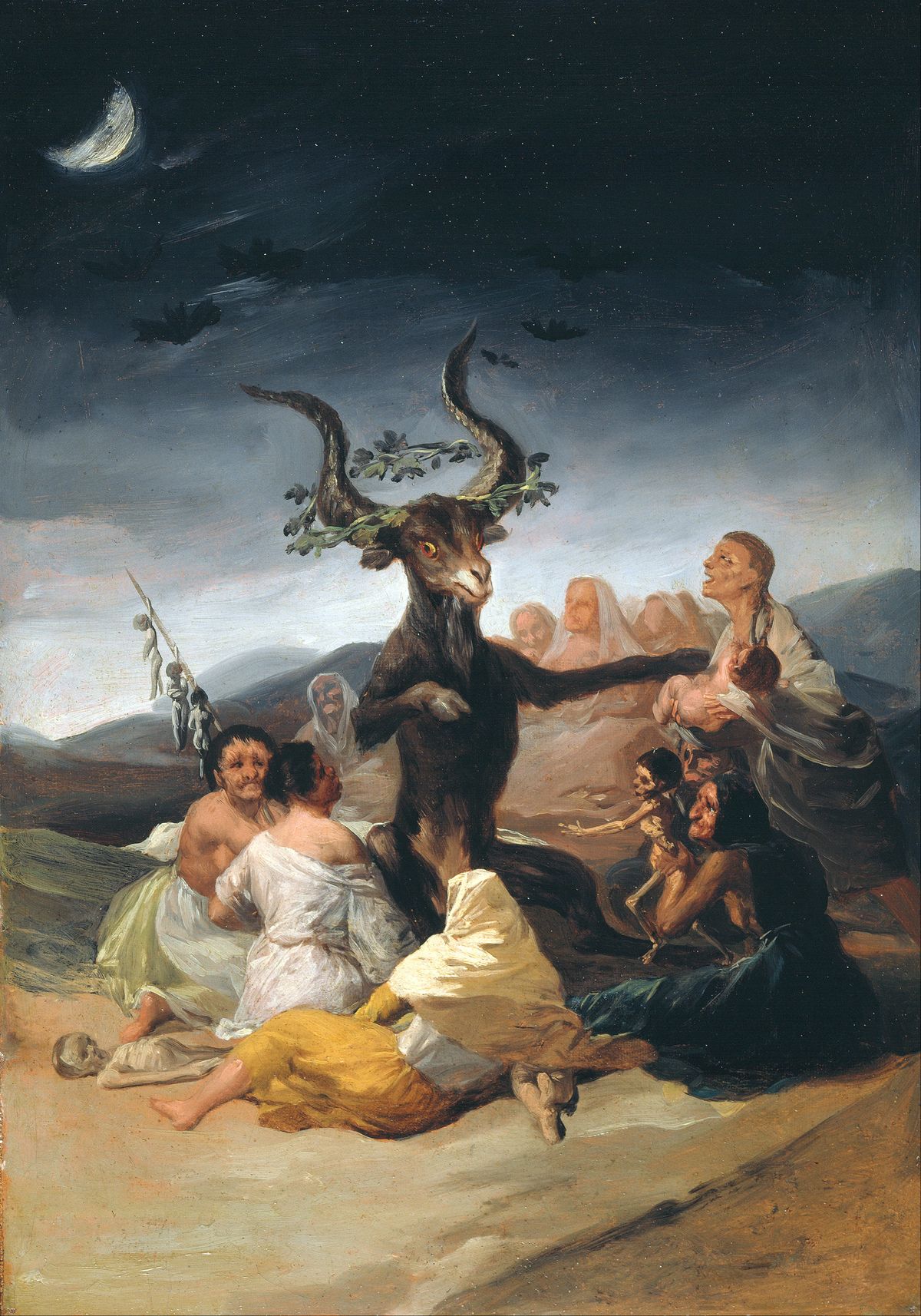
Across Africa, landscapes are not only home to remarkable wildlife but also to stories that have been passed down through generations. Long before written history, people explained the unknown through myth and imagination. A shadow moving through tall grass could become a monster - a strange call echoing through the night might belong to something older than memory.
In places where people lived close to nature, the line between the real and the mysterious was often blurred. The wilderness is full of sounds and moments that spark curiosity. A sudden rustle in dry grass, the distant call of a night bird, the roar of a lion or lightning splitting the sky above a dark horizon can stir the imagination in powerful ways.
These stories carry meaning and wisdom - they warned children to stay close to home, explained storms and strange events, reflected the deep respect people had for the natural world around them.
Below are some of the most fascinating creatures from - African folklore - where nature and legend seem to intertwine.

One of the most famous legendary creatures in southern African folklore is the Grootslang. According to stories passed down through generations, this enormous creature lives deep in caves and underground caverns. It is often described as part elephant and part serpent - combining the size and strength of an elephant with the long body of a giant snake.
Some legends say the Grootslang was created when the gods first made the world. When they realized they had created something far too powerful, they attempted to correct their mistake by splitting the creature into two animals. From that act came the elephant and the snake. Yet one Grootslang escaped the transformation and still lurks somewhere deep under the earth.

In Zulu mythology - the Inkanyamba is a giant serpent said to live in deep lakes and pools, especially near powerful waterfalls. This creature is often associated with storms and violent weather.
According to legend, when the Inkanyamba becomes restless it rises from the water and travels through the sky, bringing fierce winds, thunder and lightning in its wake. Some communities believed that sudden destructive storms were caused by the movements of this powerful serpent.

Unlike the massive creatures of legend, the Tokoloshe is often described as a small but troublesome spirit - demon that appears at night. It is one of the most widely known supernatural beings in southern African folklore.
Stories about the Tokoloshe vary between regions and cultures. In some versions - the creature is mischievous, causing disturbances in homes or playing tricks on people while they sleep. In other stories - it is more sinister and feared.
Because of these beliefs, some communities traditionally raised their beds on bricks or wooden blocks. The Tokoloshe was said to move close to the ground, so lifting the bed higher was believed to keep people safe.
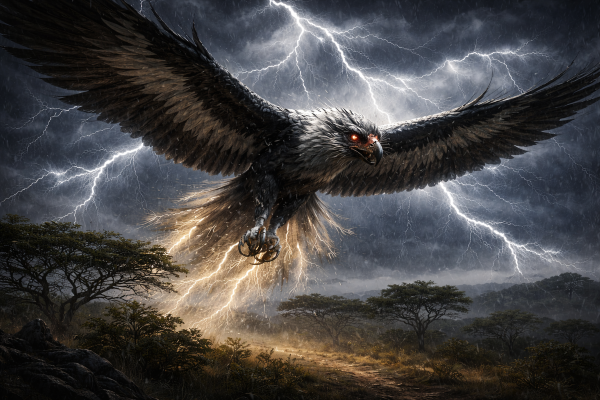
Another fascinating creature in African folklore is the Lightning Bird - sometimes known as the Impundulu. This supernatural bird is believed to appear during thunderstorms and is often associated with lightning and powerful storms.
Some stories describe the bird as enormous, with glowing feathers and the ability to bring lightning wherever it flies - other traditions say it can shift between the form of a bird and a human.
Birds of prey are common throughout southern Africa, and some species are incredibly large and powerful. When seen soaring high against dark storm clouds, especially when illuminated by flashes of lightning, their silhouettes can look dramatic and almost supernatural.
The African bush remains one of the most powerful natural environments on Earth. When you spend time in places like Dinokeng Game Reserve, home to the Big Five animals, you quickly realize that the natural world can feel both beautiful and mysterious.
A distant call in the night might belong to a hyena or an owl. The rustle in the grass could be a warthog or antelope moving through the bush. Yet in those quiet moments, when the landscape falls silent and the stars fill the sky, it is easy to imagine how earlier generations created stories to explain what they could not see.
For me - these stories feel especially close to home because I live inside the Dinokeng Game Reserve.
At night the sounds of the wilderness travel through the trees. The distant whoop of hyenas carries across the plains, and sometimes animals move quietly through the grass beyond the lodge. Storms can build suddenly on the horizon, rolling across the reserve with flashes of lightning and heavy rain.
Living here gives you a deeper appreciation for the power and mystery of nature. When you experience the bush this closely, it becomes easier to understand how stories like the Inkanyamba or the Lightning Bird were born. The landscape itself feels ancient and the wilderness has a way of stirring the imagination.
(ON A LESS SCARY NOTE - The African bush is filled with both real wonders and timeless stories. If you would like to learn more about the wildlife, landscapes and experiences that make Dinokeng Game Reserve so special, click the button below to explore the full guide to the reserve.)
https://study.com/academy/lesson/african-mythological-creatures.html
https://oldworldgods.com/list/zulu-gods-and-goddesses/